Empowering Lives: Innovative Therapies and Support Strategies in Oncology
In a world where the fight against cancer is more relevant than ever, oncology is evolving at a breathtaking pace. This journey is not just about battling malignancy; it embodies hope and resilience. With innovative therapies leading the charge, we are witnessing a transformative era in healthcare where patients are no longer passive recipients of treatment but active participants in their wellness journey. Are we ready to embrace this new dawn in oncology, one where every survivor story gives us a glimpse of a brighter tomorrow?
Within oncology, the landscape of cancer treatment is becoming increasingly diverse. Traditional therapies are being complemented, and sometimes replaced, by revolutionary treatments like gene therapy. Imagine a world where your own genetic makeup is the key to unlocking precise and personalized cancer care. This advancement not only enhances the prognosis and treatment options available but also underscores the importance of clinical research. There’s a powerful quote that states, 'Innovation is the ability to see change as an opportunity and not a threat.' How is your view of cancer treatment changing with these innovative therapies?
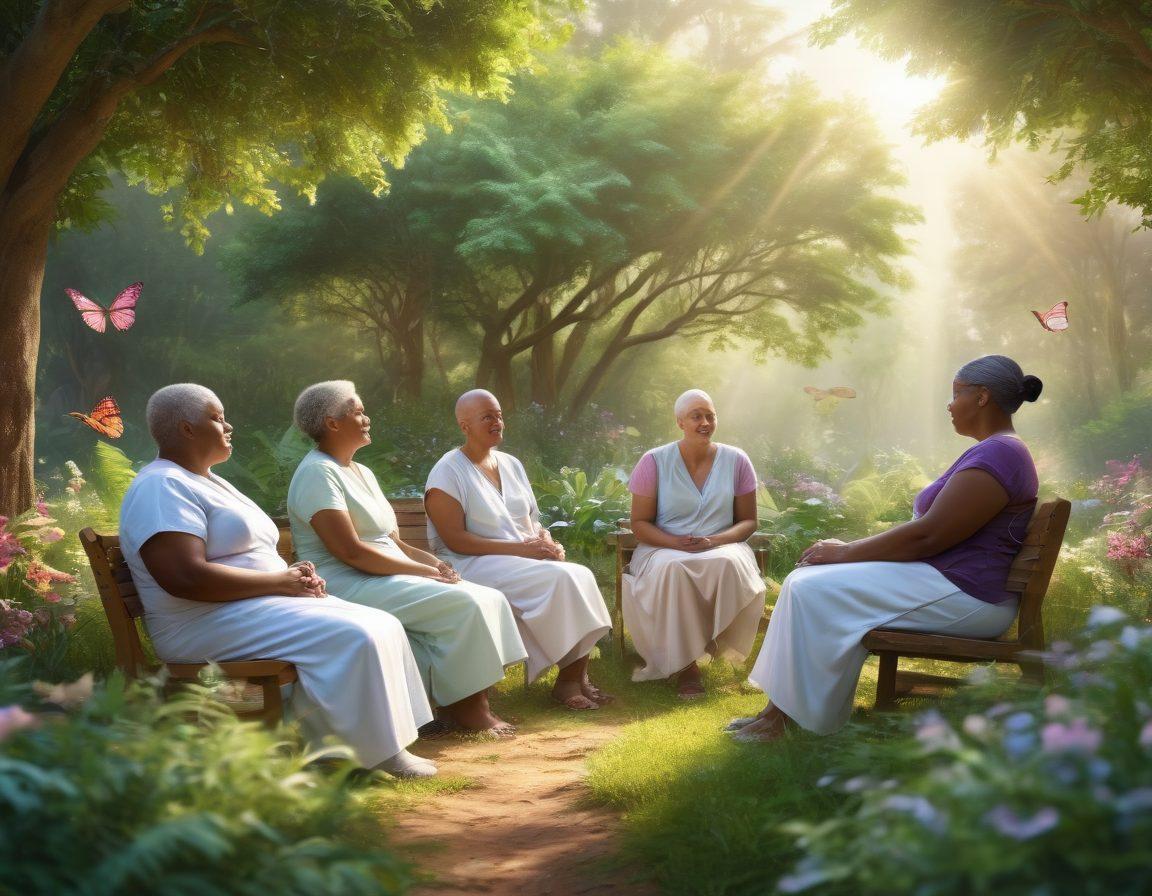
As patients navigate the complexities of a diagnosis, the psychosocial aspects of their journey cannot be overlooked. Wellness programs tailored to support emotional and mental health are critical components of comprehensive cancer care. Community support emerges as a lifeline, fostering connections that enhance the experience of patients and families. Engaging in awareness campaigns can cultivate a strong public health message that elevates the conversation around prevention and screening. What role do you think communities should play in supporting cancer patients and their families?
Post-diagnosis, the importance of preventive care and understanding risk factors rises to the forefront of discussions regarding malignancies such as carcinoma and tumors. By empowering patients with education and resources, we lay the groundwork for a healthier lifestyle and better management of their health. Strategies like screening and diagnostics play an integral role in early detection, proving that an informed and proactive approach can save lives. Have you ever considered how knowledge can be the best preventive medicine we could offer?
Ultimately, as we delve deeper into the myriad of innovative therapies, such as alternative medicine and palliative care options, let’s not forget the importance of fostering a supportive environment for those affected by cancer. Collaborative research initiatives that include diverse perspectives can lead to groundbreaking discoveries and treatments. The future of oncology is bright, and it asks us to not only witness but actively participate in shaping its narrative. How can we contribute to creating a more informed and caring healthcare landscape for cancer patients?
Exploring Patient-Centric Support Strategies for Cancer Wellness
Imagine facing a diagnosis that shakes the very foundation of your life—a malignancy that feels like a dark cloud hanging over your dreams. In the world of oncology, where stories of bravery and resilience often go unwritten, empowering patient-centric support strategies is more vital than ever. These innovative therapies and wellness programs focus on the individual beyond just their tumor or carcinoma, aiming to cultivate a holistic approach to cancer treatment. Through thoughtful patient support and a robust community, we have the potential to reshape the narrative of cancer, moving from mere survival to thriving in life. So, how can we leverage these strategies to enhance the overall experience of those battling cancer?
One of the cornerstones of patient-centric support is the integration of psychosocial aspects into treatment. When patients are diagnosed, they are often enveloped in anxiety about their prognosis—questions like "Will I beat this?" and "How will my life change?" flood their minds. By implementing supportive therapeutic techniques such as counseling and group therapy, we create safe spaces for individuals to express their fears and hopes. Survivor stories serve as powerful testimonials in awareness campaigns, reminding newly diagnosed patients that they are not alone and that resilience is their enduring ally in the face of such challenges.
Preventive care holds another key to the patient journey, aided by clinical research and cancer studies that identify risk factors early on. Effective screening and diagnosis allow healthcare professionals to pinpoint malignancies before they worsen, facilitating timely and innovative therapies aimed at combating cancer. It’s essential for patients to be proactive about their health by regularly participating in screenings and educating themselves about the possibilities of alternative medicine, gene therapy, and palliative care. As they engage in these conversations, families and communities can play transformative roles, offering much-needed solace and education in a challenging time.
Moreover, the concept of a healthy lifestyle should never be underestimated. Engaging in wellness programs that promote nutritious eating, physical activity, and mental well-being significantly influences a patient's response to conventional cancer treatment. When patients invest in their wellness—whether through yoga, meditation, or nutritional therapy—they're not just fighting their disease; they're actively working toward recovery with a sense of agency and empowerment. Let’s ask ourselves—how can we make these healthy choices a normal part of our lives, especially in supporting our loved ones dealing with cancer?
Lastly, collaborative research in oncology is crucial for advancing the landscape of cancer treatment. By fostering partnerships among healthcare providers, researchers, and survivors, we can explore innovative therapies that not only address the cancer itself but also enhance the quality of life for patients. Community support initiatives can unite people battling similar challenges, creating alliances aimed at sharing resources, experiences, and strategies for sustainable living and long-term wellness. When we come together, armed with knowledge and compassion, we cultivate a community that thrives—not just surviving—but fully living in the face of adversities posed by cancer.
Transforming Oncology: Integrating Clinical Research with Community Empowerment
In the unyielding landscape of oncology, where the shadows of malignancy loom large, a new dawn is breaking over the horizon. The combination of innovative therapies and the integration of clinical research with community empowerment is painting a brighter future for cancer treatment. Imagine a world where every individual, regardless of their diagnosis, feels empowered by knowledge, supported by community initiatives, and uplifted by the latest advancements in therapeutics. This is a tale of transformation - a fusion of science and solidarity that beckons us to step forward, raising awareness and paving paths to wellness.
What if you could change the narrative of cancer? This question becomes increasingly relevant as we explore the vital role of patient support and community networks in the realm of oncology. Many survivor stories emanate from species of resilience, where patients not only face their diagnosis head-on but also harness their experiences to give back and educate others. By integrating awareness campaigns centered around screening, diagnosis, and preventive care, we unlock the door to a proactive approach in healthcare. Such a strategy not only changes prognoses but also cultivates a culture of hope.
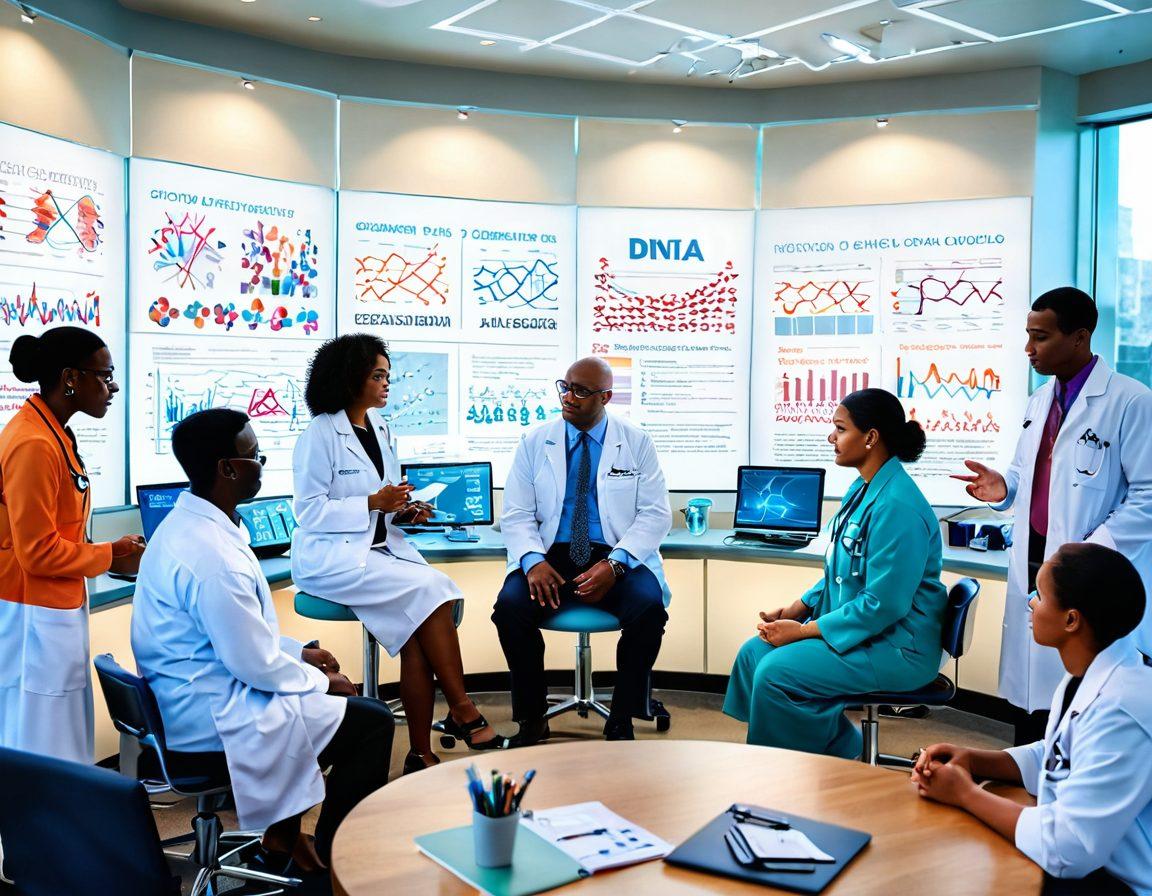
In the quest for innovative therapies, clinical research stands as a beacon of progress. By collaborating with research institutions, community centers can foster relationships that amplify the reach and impact of cancer studies. Imagine a community where health workshops educate on the latest advancements like gene therapy and alternative medicine, empowering individuals to take charge of their health and make informed decisions. The psychosocial aspects of cancer care should never be underestimated; through shared knowledge and resources, we create support systems that bolster the mental health and wellness of patients and families alike.
With the ever-evolving landscape of cancer treatment, there’s a fascinating confluence of traditional methods and groundbreaking alternatives. As communities embrace a healthy lifestyle, including physical fitness initiatives tied to palliative care and holistic wellness programs, they steer the conversation towards an all-encompassing approach to cancer care. By creating events and forums that allow experts to share insights from clinical research and the latest cancer treatment breakthroughs, individuals are better equipped to navigate their journey through each stage of malignancy - from the first signs and symptoms to long-term survivorship.
Ultimately, the success of integrating clinical research with community empowerment lies in the collective spirit of everyone involved in the fight against cancer. When healthcare professionals, researchers, and community advocates join forces, we witness a powerful shift in public health that illuminates pathways for those traversing the challenging terrain of oncology. The conversation is not just about survival; it is about thriving. By focusing on community support and the interplay of innovative therapies coupled with a robust support network, we can transform not just oncology, but the lives it touches.